
ABUJA, NIGERIA — ECOWAS has convened regional officials and partners to advance a common approach to climate-related migration and human mobility, with discussions in Abuja from October 27 to 29 focused on a proposed 2027–2028 work plan.
The ECOWAS Commission said its Directorate of Free Movement of Persons, Migration and Tourism brought together representatives of member states, ECOWAS institutions, development partners and youth for the second meeting of the Migration Dialogue for West Africa thematic working group on climate change, land degradation, desertification, environment and migration.
What the regional meeting is working toward
According to ECOWAS, participants are working to translate the group’s mandate into a practical two-year plan, identify ways to support member states as they implement their Nationally Determined Contributions and develop or revise National Adaptation Plans, and examine the feasibility of a regional Green Climate Fund project or readiness proposal.
The distinction is important: the Commission’s statement describes planning and feasibility work. It does not announce that a regional climate-mobility fund has been approved, that financing has been secured, or that a new resettlement programme has begun.
Why the issue matters to West Africa
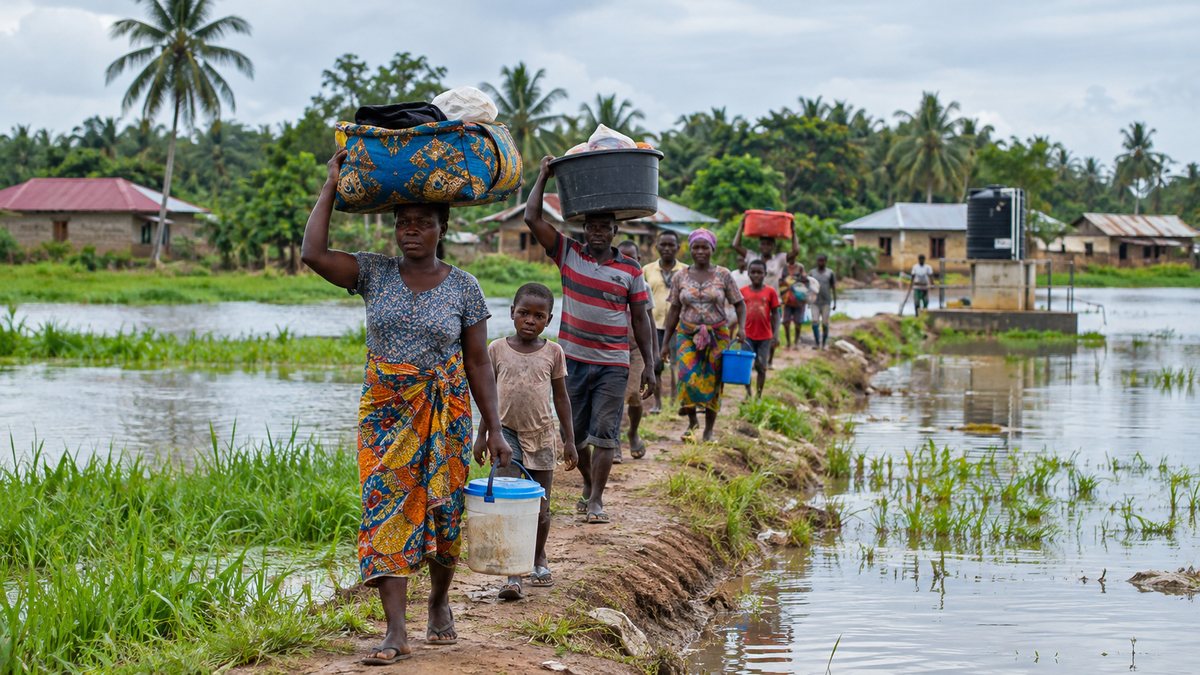
Flooding, coastal erosion, land degradation, desertification and changing rainfall patterns can affect where people live and how they earn a living. Some households move temporarily; others relocate for longer periods when farms, homes, roads or local livelihoods are disrupted. Migration can also be a planned adaptation strategy when people have safe choices and access to information, services and work.
For Liberia, the regional discussion is relevant to coastal communities, flood-prone settlements, farming areas and families whose livelihoods depend on predictable rainfall. Any national response should be grounded in local data and community consultation, not assumptions that every movement is forced or that relocation is the only solution.
What citizens should expect from a practical plan
- Clear data on climate-related displacement and livelihood pressures, with privacy protections for affected households.
- Coordination between disaster-management agencies, local governments, environmental authorities and migration services.
- Support for adaptation in communities that want to remain, alongside safe and voluntary mobility options where relocation is necessary.
- Public reporting on funding proposals, eligibility and implementation responsibilities.
ECOWAS’s next step is to translate the discussions into a work plan and assess possible financing options. HeartTalk Network will watch for the final plan, country-level responsibilities and evidence of funding approval.
Read our Climate & Environment coverage and broader Africa & World reporting.
Source
HeartTalk Network — Speaking from the Heart.
Leave a Reply