
HEARTTALK NETWORK | SPEAKING FROM THE HEART
Wednesday, November 4, 2026 · Monrovia, Liberia
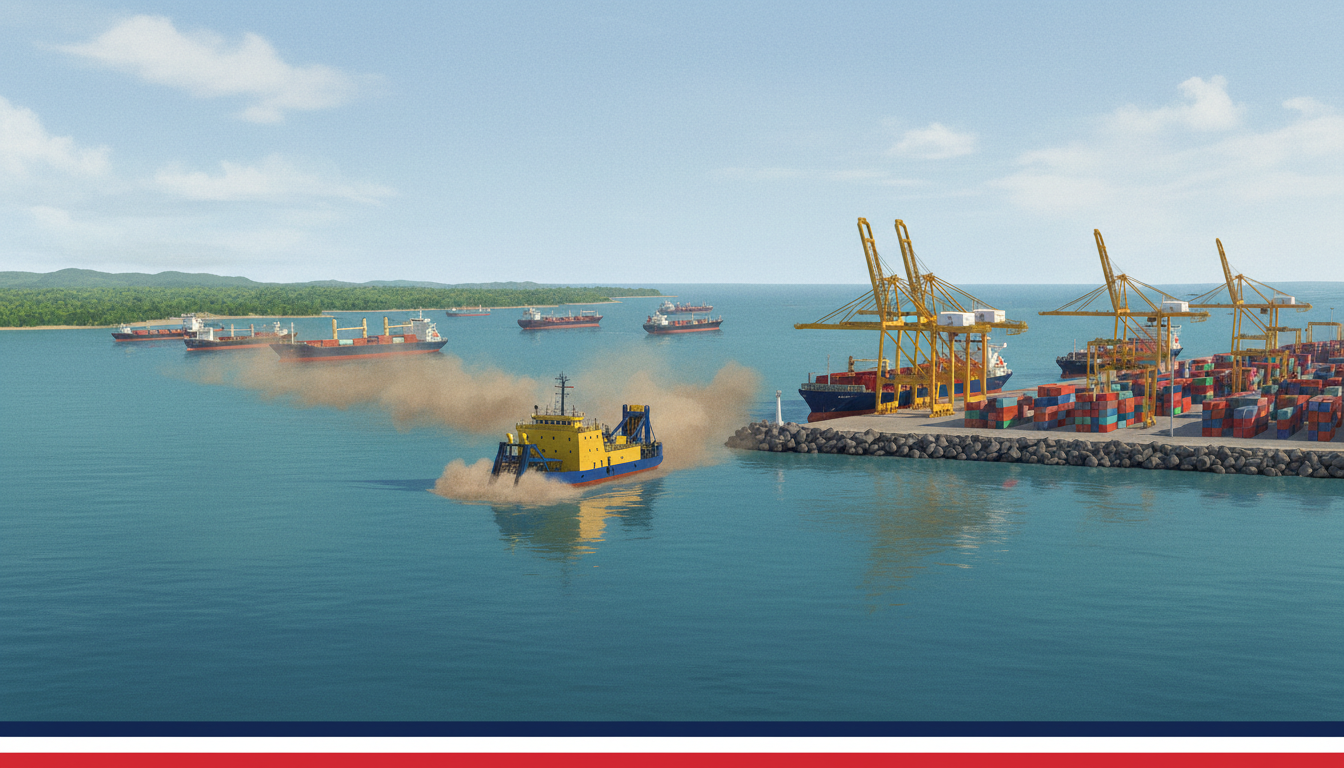
The National Port Authority (NPA) says the Freeport of Monrovia is struggling to keep pace with the size and number of vessels calling at Liberia’s principal seaport. In an interview published Wednesday by FrontPage Africa, Harbor Master and Marine Department head Captain Samuel M. Lynch said a contract for comprehensive dredging of the port basin and navigation channel is expected to be signed this week.
Lynch said dredging equipment could begin arriving within about 10 days, subject to regulatory and administrative arrangements. He also outlined a second phase of work involving expanded container-yard capacity and additional berths, which he said could begin within three to eight months.
Two phases planned for dredging and expansion
According to Lynch’s account, the first phase would address shallow sections of the navigation channel and port basin. The stated target is to restore the basin to a depth of 13.5 metres, compared with 13 metres targeted in previous dredging campaigns.
The proposed work would also remove an underwater rock obstruction and nine identified shipwrecks, including two located in areas used for navigation. These are plans described by the Harbor Master; the contract had not yet been reported as signed at the time of publication.
The second phase, which Lynch said could begin within three to eight months, would focus on longer-term capacity constraints, including additional terminal space and dedicated berths for bulk carriers. He cautioned that dredging alone would not resolve congestion without more berthing and container-handling capacity.
NPA and importers differ on reported waiting times
The interview comes amid growing concern from importers and lawmakers over vessel delays and port-related costs. Gbarpolu County Senator Amara Konneh previously cited reports from importers and shipping agents that some Liberia-bound containers spend more than 30 days at sea before berthing in Monrovia.
Lynch disputed that figure for container ships, saying the NPA’s current estimate is about 12 days, compared with a regional average of approximately 26 days. He said waiting times had previously fallen to around six days. The figures reflect different accounts: the senator relayed reports from importers and shipping agents, while the Harbor Master gave the NPA’s estimate. Neither figure should be treated as a complete independently audited measure of every vessel or cargo type.
Lynch also distinguished container ships from bulk carriers bringing rice, wheat, flour and clinker. He said heavy rain can interrupt the discharge of cargo that must remain dry, with some bulk vessels taking six to eight weeks during difficult weather conditions.
Infrastructure and operating constraints
The Harbor Master identified shallow water, limited berth availability, container-yard capacity, vessel size and operational logistics as contributing factors. He said the Freeport has seven berths under NPA management, while Ghana’s Port of Tema has about 29, and described the need to adapt facilities designed around older shipping patterns to the larger vessels now serving international trade.
The NPA publishes a vessel-movement schedule on its official website. The schedule is a useful operational reference, although it is a changing snapshot and does not by itself establish average waiting times or explain the cause of individual delays.
Why the port issue matters beyond the waterfront
The Freeport is a major entry point for imported food, fuel, construction materials and other essential goods. Delays can increase costs for shipping companies and importers; whether and how those costs are passed on to consumers depends on the charges, contracts and market conditions involved.
HeartTalk Network has previously reported on Senate scrutiny of Freeport delays, the petition by businesswomen and importers, and an interview with NPA Managing Director Sekou H. Dukuly.
What the public should expect next
The immediate test is whether the dredging contract is signed as indicated and whether equipment arrives on the stated timetable. Public reporting should also establish the contractor, contract value, procurement and financing arrangements, project milestones, and how progress will be independently monitored.
For importers and consumers, the longer-term test is measurable improvement: safer access for larger vessels, shorter and more predictable waits, adequate terminal space, transparent port charges and more reliable delivery of essential goods. Those outcomes will need to be demonstrated, not assumed from an announcement.
Source reporting: FrontPage Africa, interview with NPA Harbor Master Captain Samuel M. Lynch, November 4, 2026; National Port Authority vessel schedule.
HeartTalk Network — Speaking from the Heart.
Leave a Reply