
Health and policy analysis | November 10, 2026
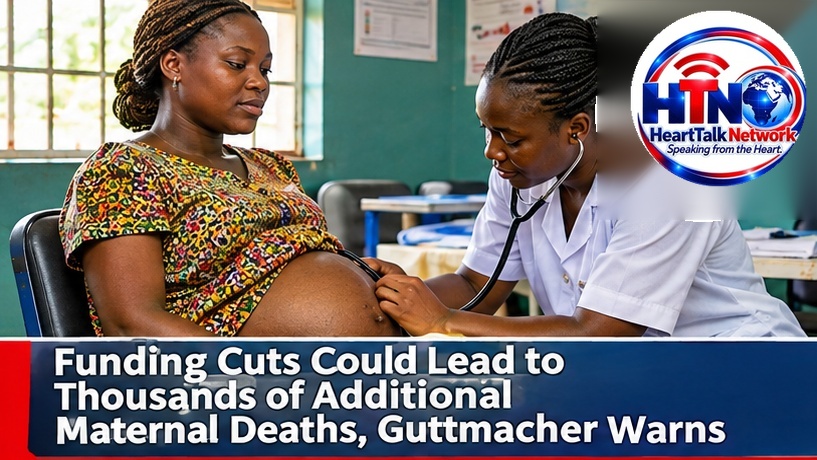
A new analysis by the Guttmacher Institute warns that continued reductions in United States and Swedish support for family-planning and sexual and reproductive health services could widen gaps in contraceptive access in Liberia, with consequences for unintended pregnancy, unsafe abortion and maternal health.
Guttmacher says Liberia lost US$2.4 million in U.S. family-planning funding beginning in 2025. The institute separately identifies the end of Swedish development assistance to Liberia, including support for sexual and reproductive health and rights, gender equality and youth empowerment. Its projections describe what could happen if the funding reductions continue; they are estimates, not a count of deaths or pregnancies already recorded.
What the analysis projects
Using data from Guttmacher’s Adding It Up 2024 estimates, the analysis projects that continued U.S. and Swedish funding cuts could leave about 327,700 women and couples without access to contraception each year. It estimates that this could lead to approximately 107,600 additional unintended pregnancies, 37,800 additional unsafe abortions and 323 additional maternal deaths annually.
The institute also estimates that adolescent girls could experience about 22,400 additional unintended pregnancies and 9,300 additional unsafe abortions each year if the reductions persist. These figures are modelled potential impacts, not observed outcomes or a forecast tied to a specific calendar year.
Where the funding losses came from
Guttmacher reports that U.S. family-planning disbursements to Liberia fell by 34% after the abrupt loss of U.S. health assistance in early 2025, with U.S. family-planning support for 2026 expected to approach zero. It also points to Sweden’s decision to wind down development assistance to Liberia. The institute notes that Sweden’s 2021–2025 cooperation strategy totalled SEK1.85 billion—about US$197 million—across 39 projects; that figure covers the wider strategy, not reproductive-health funding alone.
Pressure on health services and public spending
Guttmacher cites pre-cut estimates of about 131,500 unintended pregnancies each year among Liberian women aged 15–49. It says approximately 54,500 ended in abortions, with only around 15% considered safe. The institute estimates that about 18,700 women needed post-abortion care annually before the cuts, at a cost of nearly US$976,000, while total abortion-related care cost about US$1.02 million.
If the funding cuts continue, the analysis projects 37,800 additional unsafe abortions and 6,800 additional safe abortions each year, raising the annual number of abortions to about 99,100. Under the current legal framework, it estimates that the number of women needing post-abortion care could rise to roughly 34,000 a year and related care costs to US$1.85 million. These are projections based on the institute’s modelling, not current service counts.
Adolescent girls face additional barriers
The analysis says that in 2024 more than half of adolescent girls in Liberia who wanted to avoid pregnancy were not using modern contraception, and adolescent girls accounted for 28% of unintended pregnancies. It identifies provider bias, cost and social stigma as barriers, and warns that reduced support for youth-friendly service points, community outreach and free contraceptive distribution could deepen those gaps.
Policy and financing questions for Liberia
Guttmacher recommends integrating sexual and reproductive health services across public, nongovernmental and donor-supported providers, equipping community health workers to deliver care in line with national guidelines, and protecting access to high-quality, age-appropriate health education.
The institute also says the Public Health Bill, passed by the House of Representatives in 2022, remains stalled in the Senate. Its analysis describes provisions concerning safe abortion care and comprehensive sexuality education. HeartTalk distinguishes the institute’s account of the bill’s status and policy recommendations from enacted law: the report does not mean those proposed provisions are currently in force.
What the figures do—and do not—show
The 323 additional maternal deaths, 107,600 unintended pregnancies and 37,800 unsafe abortions are conditional annual estimates based on continued funding cuts and Guttmacher’s modelling assumptions. The institute says the estimates use its Adding It Up 2024 data. They should not be reported as deaths, pregnancies or procedures that have already occurred.
For context, HeartTalk has previously reported on health-system preparedness gaps identified in Lofa, Bong and Margibi. Read the related health-system report.
Sources
- Guttmacher Institute: “More Than Just the Numbers: How Funding Cuts Threaten Sexual and Reproductive Health in Liberia” (first published online November 9, 2026).
- FrontPage Africa’s report on the Guttmacher analysis (November 9, 2026).
- Ushie et al., national estimates of Liberia’s 2021 unintended pregnancy and induced abortion, International Journal of Women’s Health (2026).
HeartTalk Network — Speaking from the Heart.



Leave a Reply