
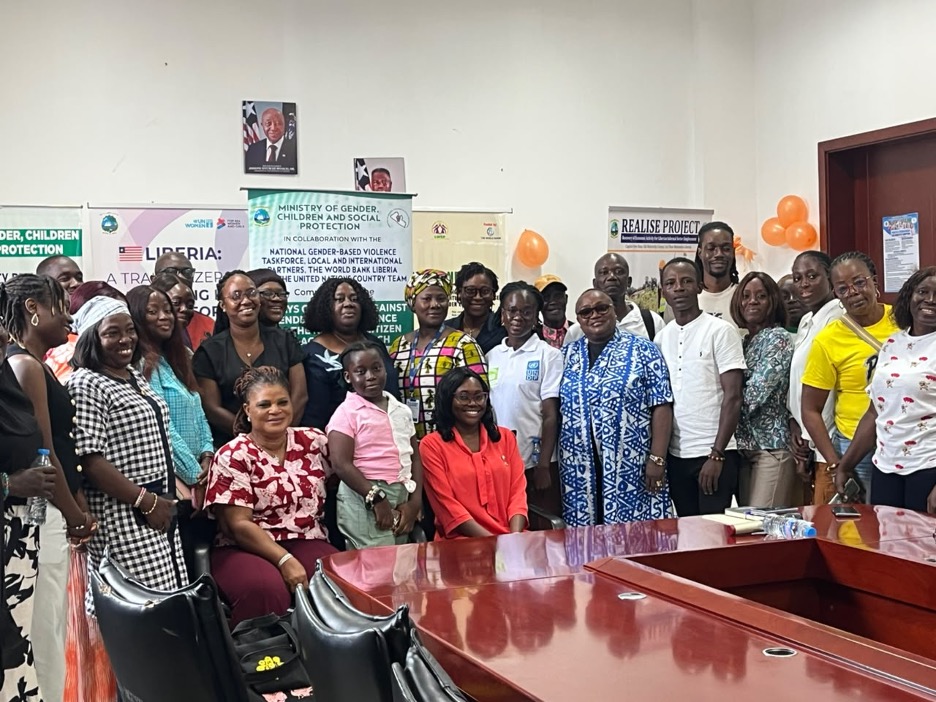
Liberia’s Ministry of Gender, Children and Social Protection says 3,018 cases of gender-based violence (GBV), including 2,128 rape cases, were recorded in 2025. The figures, disclosed during activities marking the 2026 16 Days of Activism Against Gender-Based Violence, have renewed attention on survivor protection, access to justice and the quality of national reporting.
Deputy Gender Minister Laura Golakeh also reported 1,302 GBV cases during the first two quarters of 2026. She said the official totals do not capture every incident because stigma, fear of retaliation, economic dependence, family pressure and victim-blaming can prevent survivors from reporting abuse.
A significant difference in the published 2025 figures
There is, however, an important data question that requires clarification. In an April 22, 2026 report, the United Nations Population Fund (UNFPA) said the Ministry of Gender had reported 3,823 GBV cases for 2025, with rape accounting for 56 percent. The Ministry’s figures reported in November put the 2025 total at 3,018, a difference of 805 cases.
The rape figures appear much closer: 56 percent of UNFPA’s reported total is approximately 2,141 cases, compared with the 2,128 rape cases in the latest figures. Neither publication explains why the overall totals differ or whether they use different reporting periods, case definitions, data sources or revisions. The two totals should therefore not be combined or treated as directly comparable until the Ministry clarifies the methodology and confirms which figure is the final national count.
Reliable and consistent statistics matter. They help government agencies, health facilities, police, courts and service providers identify where protection and treatment are most urgently needed, allocate resources and measure whether interventions are working.
Survivor support and access to justice
According to the Ministry’s statements reported during the campaign, the national GBV 116 call centre responded to more than 1,000 calls in 2025. The Ministry also said psychosocial support materials were supplied to safe homes and One-Stop Centres across all 15 counties, emergency assistance was made available for urgent cases, and safe homes were renovated in six counties.
The Ministry has warned against pressuring survivors to accept informal settlements that can deny them access to formal justice. Golakeh called for survivors to be treated with dignity and said responsibility for ending violence must extend to men and boys as well as women and girls.
The Ministry also said the Liberia Women Empowerment Project had reached 11,925 women and 2,539 men through different components. The Spotlight Initiative 2.0 is being expanded to Grand Bassa, Maryland and Bong counties, bringing its reported coverage to eight counties.
Protection bill remains before lawmakers
Golakeh urged the National Legislature to consider the proposed Women and Girls Protection Act of 2025, which the Ministry says would provide stronger legal protection against harmful practices. The bill remains before the Legislature; it has not yet become law.
The Ministry also pointed to the Personal Data Protection and Privacy Act and the Cybercrime Act, which it said were passed and signed on August 19, 2026, as part of the response to online harassment, threats and other forms of technology-facilitated abuse.
What should happen next
The immediate priority is to ensure that survivors can reach confidential, timely medical, psychosocial and legal support in every county. That requires functioning referral systems, trained personnel, safe accommodation, reliable transport and consistent funding—not awareness campaigns alone.
The Ministry should also publish a clear explanation reconciling the 3,018 and 3,823 totals, including the reporting period, definitions, sources and any revisions used. A transparent, regularly updated national dataset would help the public assess progress without overstating or understating the scale of violence.
Liberia’s 2026 16 Days of Activism campaign runs from November 25 through December 10. Its message of justice and accountability will carry greater weight if institutions turn the reported figures into measurable improvements in prevention, survivor care and prosecution.
Sources: The Liberian Investigator, November 25, 2026; FrontPage Africa, November 26, 2026; UNFPA Liberia, April 22, 2026.
HeartTalk Network — Speaking from the Heart.
Leave a Reply