
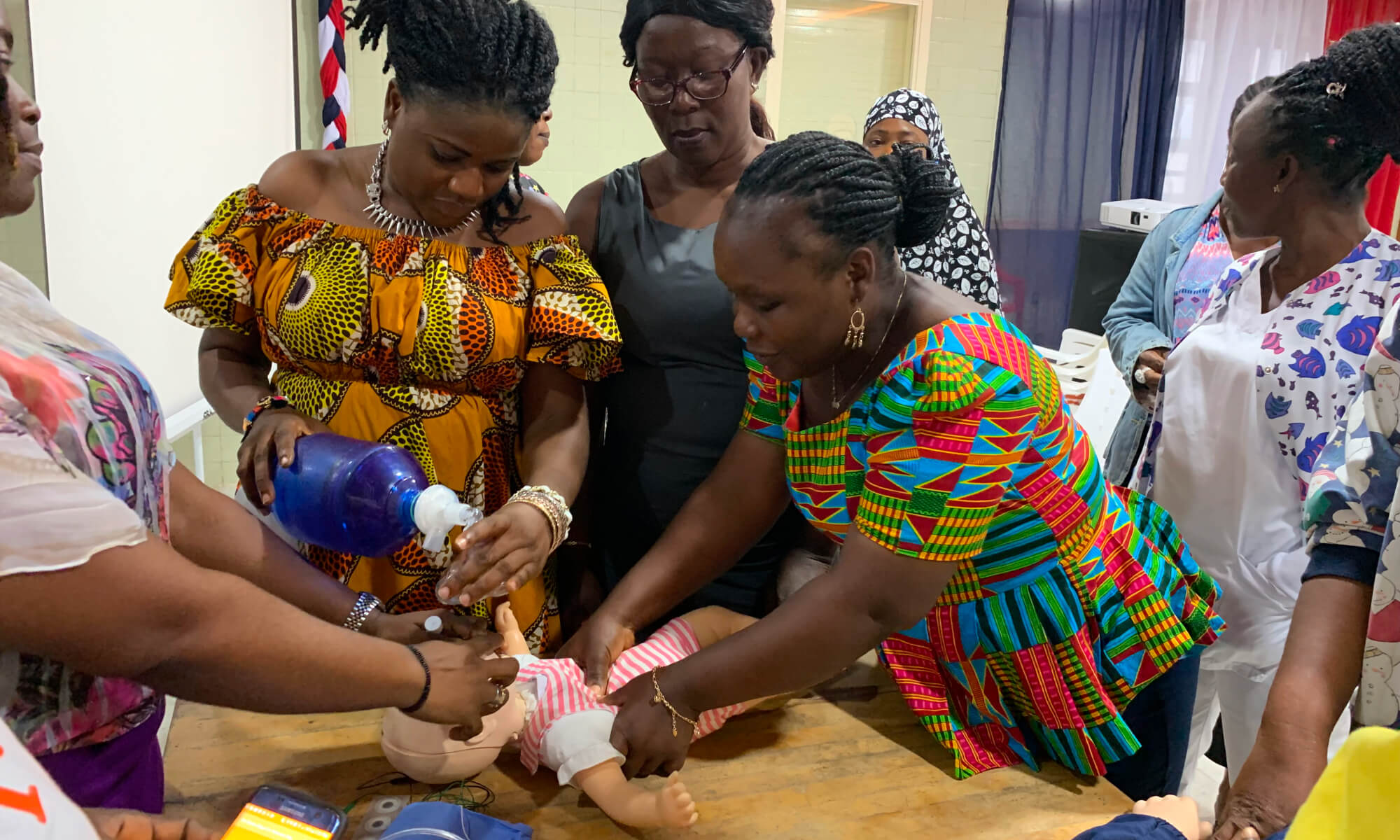

MONROVIA, Liberia — November 26, 2026: Health Minister Dr. Louise M. Kpoto says the Ministry of Health is preparing a proposal to extend newborn-resuscitation training across Liberia after more than 70 health workers completed a three-day course led by Israeli neonatal specialists at the John F. Kennedy Medical Center in Monrovia.
The “Golden Minute” training ran from November 23 to 25 and focused on the first moments after birth, when a newborn who is not breathing adequately may need immediate help. The programme was organized by Neonatologists for Africa in partnership with MASHAV, Israel’s Agency for International Development Cooperation, and Liberia’s Ministry of Health.
Minister says nationwide expansion is being prepared
At the close of the training on Wednesday, November 25, Dr. Kpoto said the Ministry had begun discussions with its Family Health Unit to develop a proposal for extending the programme nationally. She urged participants to share their new skills with colleagues at their health facilities and to practise regularly so that they remain prepared to respond to newborn emergencies.
The Minister’s statement signals an intention to expand the training, but it is not yet a confirmed nationwide rollout. The Ministry has not announced a start date, a list of participating counties or facilities, or a dedicated budget for the proposed expansion.
Training and equipment donation
According to reports on the programme, participants practised preparing newborns for resuscitation, drying and warming babies, stimulating breathing, identifying signs of respiratory difficulty and providing mask ventilation when required. The practical sessions used newborn simulation mannequins.
Israel also donated newborn-resuscitation devices, medical air compressors and pressure regulators for use in Liberian hospitals. Organizers said the equipment would remain in Liberia after the visiting specialists leave. A train-the-trainers component is intended to help selected Liberian health workers pass the skills on to colleagues.
The reports did not specify how many hospitals will receive each type of device or provide a distribution schedule. The equipment’s impact will depend on where it is placed, whether facilities have the staff and supplies needed to use it safely, and whether health workers receive continuing practice and supervision.
Why the first minute matters
The World Health Organization’s essential newborn-care guidance calls for immediate assessment of a baby’s breathing, keeping the newborn warm and providing resuscitation when needed. For babies who do not breathe adequately, timely stimulation and effective ventilation are critical steps. The WHO’s training materials emphasize prompt action within the first minute after birth.
For Liberia, extending this training beyond a single hospital could help strengthen emergency readiness in maternity wards and delivery rooms. But a sustainable programme will require more than a short course: hospitals need functioning equipment, adequate staffing, regular skills refreshers, reliable referral arrangements and monitoring of newborn outcomes.
The next test will be whether the Ministry converts its proposal into a funded plan that reaches facilities outside Monrovia, including county hospitals and lower-level health centres where access to specialist support may be limited.
Sources: The New Era Inquirer, November 26, 2026 · The New Republic, November 26, 2026 · The New Dawn, November 26, 2026, republished with attribution · World Health Organization — Essential Newborn Care.
HeartTalk Network — Speaking from the Heart.

Leave a Reply