MONROVIA, November 28, 2026 — Liberia’s National Identification Registry (NIR) and the Liberia Refugee Repatriation and Resettlement Commission (LRRRC) say they are continuing a biometric documentation exercise for foreign nationals after presenting lawmakers with government estimates placing about 140,500 Burkinabè nationals across four counties.
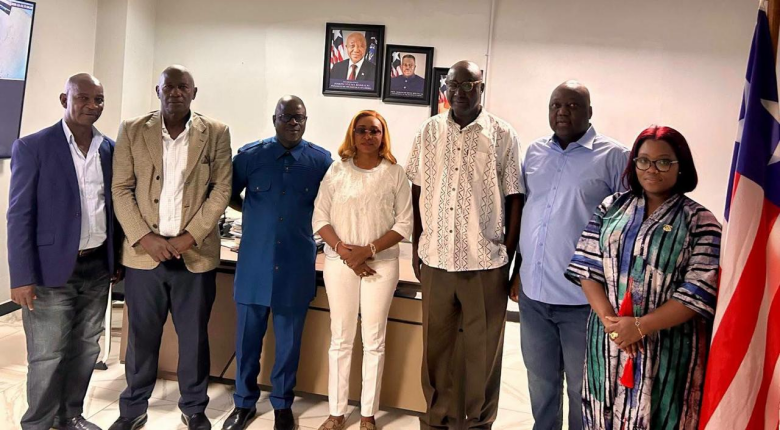
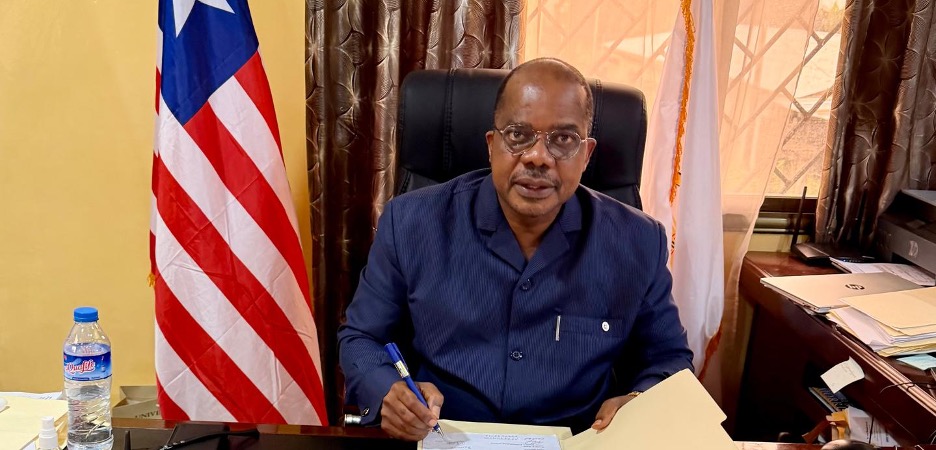
The figures were outlined before the House of Representatives on Tuesday, November 24, by NIR Executive Director Andrew Peters and LRRRC Executive Director Cllr. Jeror Cole Bangalu, according to the Liberia News Agency (LINA).
How the reported figures are distributed
The county estimates cited by LINA were:
- Grand Gedeh: more than 80,000
- Nimba: about 45,000
- River Gee: about 15,000
- Maryland: about 500
Together, those figures amount to approximately 140,500. LINA described the total as nearly 150,000. The figures are government estimates attributed to the LRRRC, not the result of a newly published national census of foreign nationals.
The estimate follows a multi-agency field assessment that the Ministry of Information said was presented to President Joseph Nyuma Boakai in May. In a June 4 statement, the ministry said the assessment involved the LRRRC, Liberia Immigration Service, the French Embassy, the United Nations Population Fund, the UN Human Rights Office and the International Organization for Migration. That statement referred to an estimate of about 140,000 Burkinabè nationals in southeastern Liberia.
Why the government says it is documenting migrants
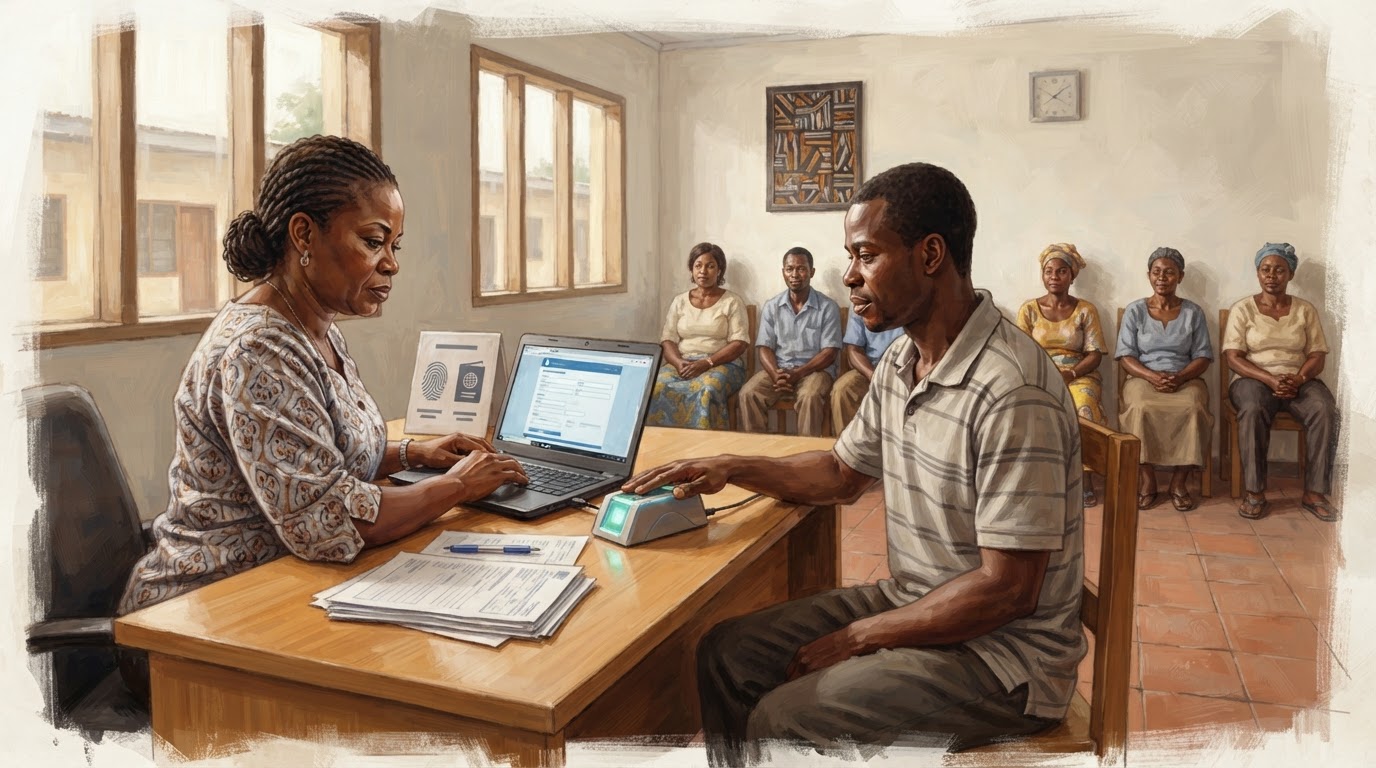
Officials told lawmakers that the current exercise is intended to identify and document foreign nationals and prevent non-citizens from fraudulently registering as Liberian citizens or entering the voter register ahead of the 2029 elections.
The officials warned that inadequate documentation could create opportunities for electoral fraud. Their statements describe a risk the government says it wants to prevent; they do not establish that the people included in the estimates have committed electoral offences or that any foreign national has illegally voted.
The distinction matters. The National Identification Registry’s biometric documentation process is not the same as voter registration. The National Elections Commission says the right to vote belongs to Liberian citizens aged 18 and above. Inclusion in an identity-management exercise does not, by itself, confer Liberian citizenship or voting rights.
What the figures mean in the four counties
The scale of the estimates is notable when placed beside the 2022 population census. The Liberia Institute of Statistics and Geo-Information Services recorded 216,692 residents in Grand Gedeh, 621,841 in Nimba, 124,653 in River Gee and 172,587 in Maryland.
If the LRRRC estimates are accurate, the reported 80,000 people in Grand Gedeh would be equivalent to roughly 37 percent of that county’s 2022 census population. The 15,000 estimate for River Gee would be about 12 percent of its census population, while the 45,000 estimate for Nimba would be about 7 percent. The Maryland figure would be less than one percent.
These comparisons are intended to show the scale of the government’s estimates; they are not current population shares. The census and the migrant assessment were conducted at different times and used different methods.
Questions of verification and safeguards
The latest public account does not provide a detailed methodology, confidence range or county-by-county breakdown of the migrants’ legal status. Those details will be important for assessing the accuracy of the estimates and the results of the documentation exercise.
As the process continues, the government will need to distinguish clearly between nationality, immigration status, residence and citizenship. Any enforcement action must be based on individual records and applicable law, rather than assumptions about people because of their nationality or where they live.
For communities in Grand Gedeh, Nimba, River Gee and Maryland, reliable data can help public authorities plan services and manage migration. But the figures should be treated as estimates until the underlying assessment and registration results are made available for scrutiny.
Sources
- Liberia News Agency: Burkinabè Migrants Population Hits Nearly 150 Thousand in Four Counties, November 27, 2026
- Ministry of Information: 140,000 Burkinabès Influx Tops Next Cabinet Agenda, June 4, 2026
- LISGIS: 2022 Population by Sex, Residence and County
- National Elections Commission: Know Your Rights as a Voter